Local sources from Kenya: The Guardian, The New York Times.
UK coverage: The Guardian.
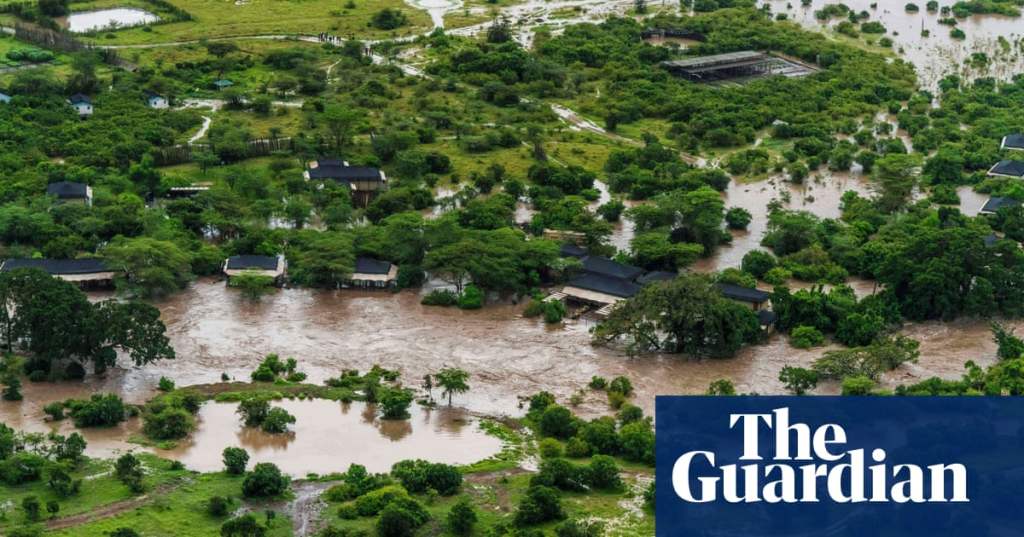
Scores of tourists have been airlifted from Kenya’s Maasai Mara national reserve after heavy rains caused flooding. The reserve, located in southwest Kenya, is a popular tourist destination known for the annual wildebeest migration from the Serengeti in Tanzania. More than a dozen hotels, lodges, and camps were submerged as a river in the reserve broke its banks on Wednesday morning.
The Kenya Red Cross and the Narok county government swiftly responded to the crisis, rescuing over 90 people and deploying helicopters for evacuations. The flooding in Maasai Mara is part of a larger issue in Kenya, with over 170 people dead and infrastructure destroyed since the start of the rainy season in mid-March.
The devastating floods in East Africa have taken a toll on the Masai Mara, one of Africa’s greatest wildlife national reserves. The Telek River overflowed into parts of the reserve, flooding many tourist camps. Daniel Ikayo, the owner of a safari company operating in the area, described the situation as dire, with water everywhere.
The floods in the reserve have added to the heavy damage already inflicted on Kenya’s economy, including livestock, crops, and infrastructure. The floods have killed hundreds of people and displaced tens of thousands more across the region.
In Nairobi, the capital city of Kenya, three main roads were temporarily closed due to flooding. The Kenya Red Cross also rescued 11 people from the Kitengela residential area on the outskirts of Nairobi after their homes were flooded overnight.
Earlier this week, a river broke through a clogged tunnel in the Mai Mahiu area of western Kenya, causing widespread destruction. The incident resulted in 48 deaths and over 80 people reported missing. Search and rescue operations are ongoing, with President William Ruto ordering the military to join in the efforts.
The government has urged people living in flood-prone areas to evacuate or be forcefully moved, as water levels in two hydroelectric dams have reached historic highs. The situation remains critical, with more rain expected in the coming week.
As the floods continue to wreak havoc in Kenya, it is crucial to provide support and resources to those affected and to prioritize efforts to mitigate the impact of future natural disasters.
 TheLittleTwentieth - Renowned Papers Edition, AI Infused