Local sources from United Kingdom: BBC, The Telegraph.
UK coverage: BBC.com.
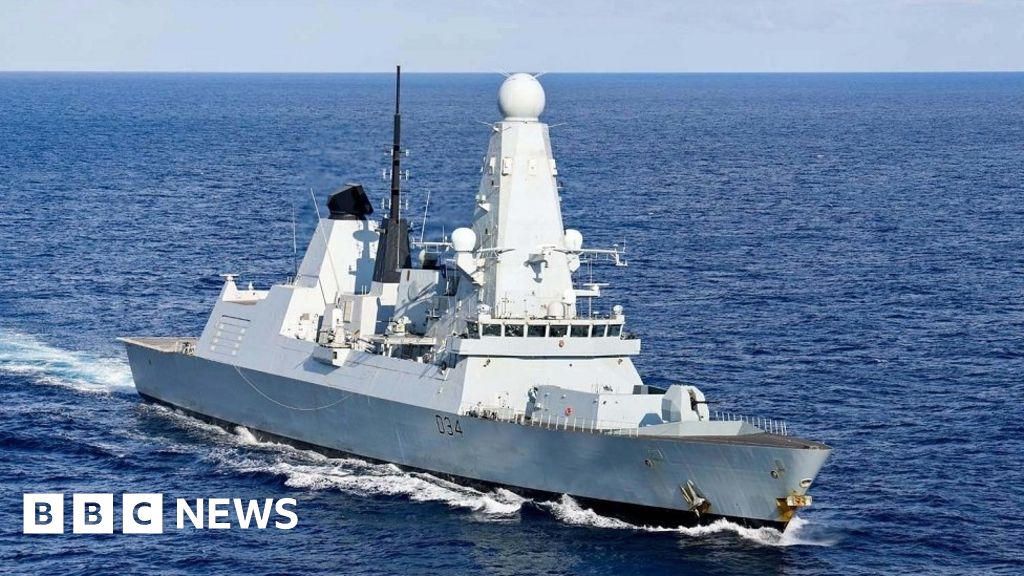
In a significant display of military prowess, the Royal Navy destroyer HMS Diamond successfully intercepted and shot down a missile fired by Houthi rebels in Yemen. The missile, aimed at a Saudi Arabian city, was neutralized using the ship’s advanced air defense system. This incident sheds light on the ongoing conflict in Yemen and the involvement of external forces in the region.
Equipped with Sea Viper missiles, Phalanx machine guns, and 30mm cannons on each side, HMS Diamond proved its mettle in defending against the Houthi threat. The Phalanx system, capable of firing over 3,000 rounds per minute, has proven its effectiveness in countering enemy drones as well. The crew’s adeptness with the ship’s weaponry was evident in their successful interception of the Houthi missile.
This marks a historic moment for the Royal Navy, as it is the first time a Navy warship has shot down a missile in combat since the Gulf War in 1991. The last instance was during the Gulf War when HMS Gloucester, a Type 42 destroyer, successfully neutralized an Iraqi Silkworm missile aimed at a US warship.
Grant Shapps, the Defence Secretary, expressed his gratitude towards the crew of HMS Diamond for their vital role in safeguarding innocent lives and protecting international shipping from illegal Houthi attacks. Commander Peter Evans, the commanding officer of HMS Diamond, commended the ship’s company for their professionalism and swift reaction to defeat the imminent threat. He emphasized that HMS Diamond remains steadfast in its commitment to protect seafarers and ensure the freedom of the seas.
The successful interception by the Royal Navy destroyer highlights the commitment of the United Kingdom to support its allies and maintain stability in the region. It also underscores the ongoing conflict in Yemen and the involvement of external forces. As the situation continues to evolve, the international community will closely monitor the developments and their implications on regional security and stability.
 TheLittleTwentieth - Renowned Papers Edition, AI Infused