Local sources from United Kingdom: BBC, The Institute for Government |.
UK coverage: BBC.com.
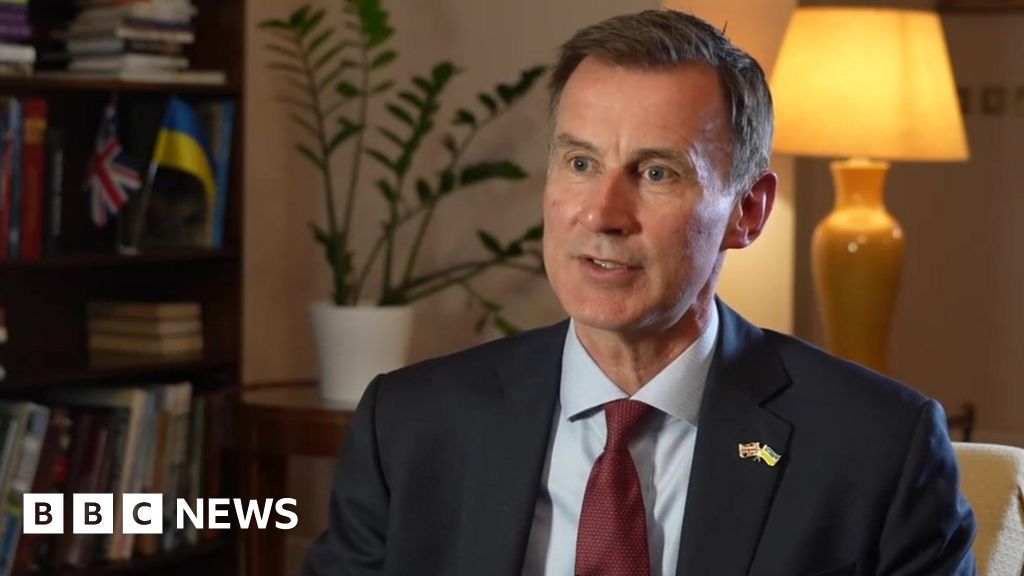
UK Foreign Secretary Jeremy Hunt has defended the decision to cut civil service jobs in order to increase defense spending. Hunt argued that the move is necessary to ensure the country’s security and protect its interests in an increasingly complex and dangerous world. The government plans to cut 30,000 civil service jobs by 2020, with the savings being used to boost defense spending by £1.8bn ($2.3bn) over the next two years. However, critics argue that the cuts will have a negative impact on the country’s ability to effectively respond to crises and maintain diplomatic relations.
In a recent announcement, UK Foreign Secretary Jeremy Hunt has defended the government’s decision to cut civil service jobs as a means to increase defense spending. Hunt emphasized the importance of ensuring the country’s security and safeguarding its interests in an increasingly complex and dangerous world.
The government’s plan entails cutting 30,000 civil service jobs by 2020, with the aim of redirecting the savings towards boosting defense spending by £1.8bn ($2.3bn) over the next two years. Hunt argued that this reallocation of resources is necessary to address the evolving global threats and maintain a strong defense capability.
However, critics have raised concerns about the potential negative consequences of these cuts. They argue that reducing the civil service workforce could hinder the country’s ability to effectively respond to crises and maintain diplomatic relations. The civil service plays a crucial role in supporting government operations and facilitating international cooperation.
The Institute for Government |, a think tank focused on improving government effectiveness, has also expressed skepticism about the government’s defense spending plans. In an article titled ‘Rishi Sunak’s higher defence spending announcement does not add up,’ the Institute highlights the need for clarity regarding where the government plans to make cuts to accommodate the increased defense spending.
The Institute points out that the government’s current spending plans are already challenging to achieve without additional cuts. It argues that increasing defense spending without a corresponding increase in public spending or tax rises implies that other areas will face reduced ambition and resources. The Institute warns that this could lead to further cuts in public services, exacerbating existing performance problems and potentially compromising fiscal sustainability.
While the government has suggested that savings can be made by cutting civil service staff, the Institute argues that this alone will not deliver sufficient savings to meet the government’s fiscal rules. It emphasizes the need for a comprehensive plan that considers the best ways to save money rather than setting arbitrary headcount targets.
In conclusion, the decision to cut civil service jobs in order to increase defense spending has sparked a debate about the potential consequences and trade-offs. While the government argues that these cuts are necessary to ensure national security, critics raise concerns about the impact on crisis response and diplomatic relations. The Institute for Government | questions the feasibility of the government’s defense spending plans and calls for clarity on where cuts will be made. As the debate continues, the government faces the challenge of balancing defense priorities with maintaining the quality and scope of public services.
 TheLittleTwentieth - Renowned Papers Edition, AI Infused