Local sources from China: The Guardian, BBC.com.
UK coverage: The Guardian.
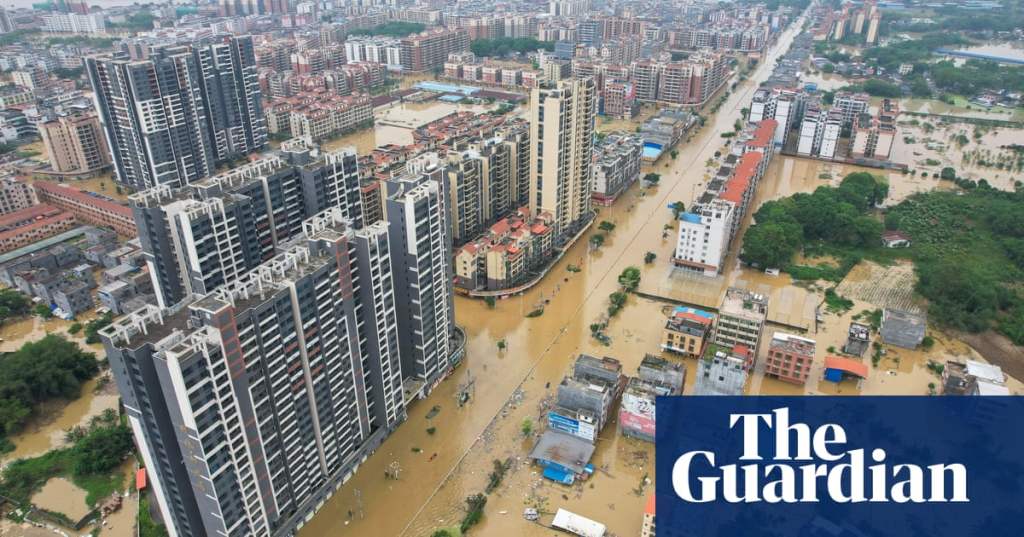
Heavy rainstorms in southern China have caused devastating flooding in cities in the Pearl River Delta, resulting in at least four deaths and 10 people missing. The extreme weather has raised concerns about the region’s ability to handle larger deluges in the future. Guangzhou, the capital of Guangdong province, experienced its highest monthly rainfall since record-keeping began in 1959. Over 110,000 people have been evacuated, and 25,800 are in emergency shelters. China has been facing more intense and unpredictable weather events due to global warming.
According to reports from The Guardian, the heavy rainstorms that swept across southern China over the weekend have claimed the lives of at least four people. Floods have swamped cities in the densely populated Pearl River Delta, raising concerns about the region’s defenses against extreme weather events. A search is currently underway for 10 others who are still missing. By Monday, approximately 110,000 people had been evacuated, with 25,800 seeking refuge in emergency shelters.
In Guangzhou, the capital of Guangdong province, the government announced that the city had experienced a cumulative rainfall of 60.9cm in April, marking the highest monthly rainfall since record-keeping began over six decades ago. The heavy downpours prompted the issuance of the country’s highest-level red rainstorm warning for parts of Guangdong, including the megacity of Shenzhen. The torrential rains have led to heavy to very heavy downpours, increasing the risk of flash floods.
The BBC.com article highlights that tens of thousands of people have been forced to evacuate in Guangdong province due to severe flooding caused by heavy rainfall. The floods have affected various areas, including Guangzhou, Shenzhen, and Dongguan, submerging residential areas, roads, and farmland. Local authorities have been working tirelessly to rescue stranded residents and provide temporary shelter. Emergency response teams, including firefighters and volunteers, have been deployed to assist in the evacuation efforts.
The floods have also disrupted transportation, with numerous flights and train services being canceled or delayed. Schools and businesses have been temporarily closed, and residents have been advised to stay indoors and avoid unnecessary travel. As of now, no casualties have been reported, but the situation remains critical, and authorities are closely monitoring the water levels and weather conditions.
The devastating floods in Guangdong serve as a reminder of the ongoing challenges posed by extreme weather events and the importance of effective disaster management strategies. The Chinese government has allocated funds for relief efforts and is coordinating with local authorities to ensure the safety and well-being of the affected residents. Meteorological departments have issued warnings of continued heavy rainfall in the coming days, emphasizing the need for continued vigilance and preparedness.
 TheLittleTwentieth - Renowned Papers Edition, AI Infused