Local sources from Colombia: CNN en Español, EL PAÍS.
UK coverage: BBC.
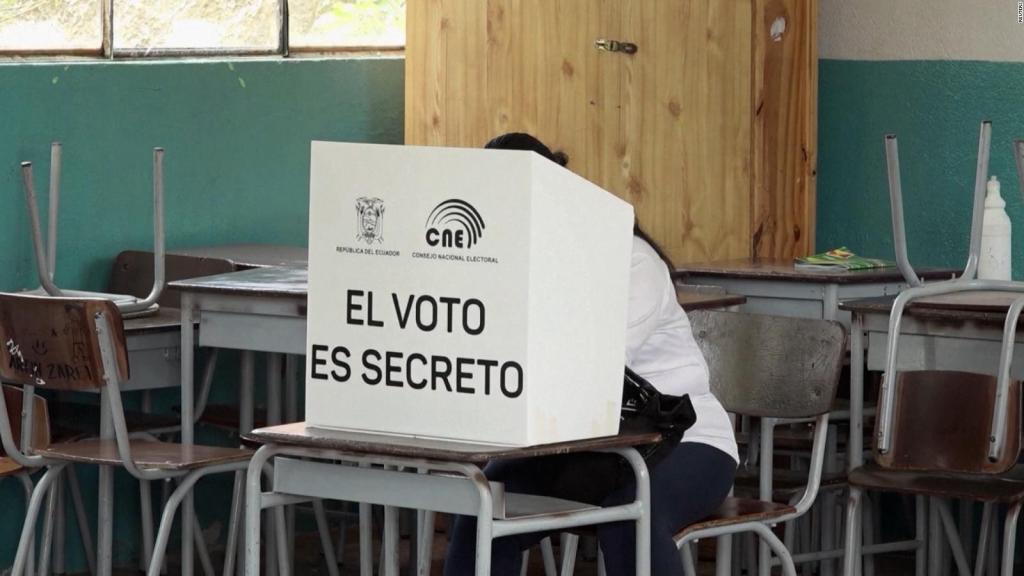
Ecuadorian voters have shown overwhelming support for tougher security measures to combat gang violence in the country, according to the results of a recent referendum. The government’s proposed plan, which includes increased police presence, stricter penalties for gang-related crimes, and improved social programs, reflects the urgency felt by Ecuadorians to address the pervasive issue of gang violence and create safer communities.
The results of the referendum were announced by Diana Atamaint, the president of the National Electoral Council of Ecuador, during a national broadcast. The initial results showed strong support for the proposed measures, with 73.04% of voters in favor of allowing the complementary support of the Armed Forces in the functions of the National Police to combat organized crime. Similarly, 65.32% of voters supported allowing the extradition of Ecuadorians under certain conditions, requirements, restrictions, and impediments.
The referendum also included questions related to establishing specialized judiciaries in constitutional matters, recognizing international arbitration as a method for resolving disputes, and amending the labor code for fixed-term and hourly employment contracts. While the results varied for these questions, the overall trend reflected a desire for change and a commitment to addressing the root causes of gang involvement.
The overwhelming support for the referendum’s security-related questions highlights the growing concern among Ecuadorians about the rise in gang violence and its impact on communities. Many citizens have struggled with addiction and have sought rehabilitation centers and self-isolation in an attempt to break free from the cycle of violence. The proposed measures aim to provide a comprehensive approach to tackling the issue, combining increased law enforcement presence with social programs that address the underlying factors contributing to gang involvement.
However, there are differing opinions on the effectiveness of the proposed measures. Some critics argue that the consultation is more of a political and economic strategy to legitimize the government’s actions and boost the president’s chances of reelection in 2025. They question whether the consultation will truly solve the worsening insecurity crisis and argue that it may not address the deeper structural issues that contribute to gang violence.
Despite these concerns, the referendum results indicate a clear mandate from the Ecuadorian people to prioritize security and take decisive action against organized crime. The government now faces the challenge of meeting the expectations it has built, ensuring that the proposed measures are effectively implemented, and delivering on its promises to create safer communities.
As Ecuador moves forward with implementing the approved measures, it remains to be seen how effective they will be in curbing gang violence and improving security. The country’s citizens, who have shown their strong support for these measures, will be closely watching the government’s actions and holding them accountable for creating lasting change.
In the face of the pervasive issue of gang violence, Ecuadorian voters have made their voices heard, demanding tougher security measures and a comprehensive approach to combatting organized crime. The results of the recent referendum reflect the urgency felt by the Ecuadorian people to create safer communities and address the root causes of gang involvement. Now, it is up to the government to deliver on its promises and ensure that these measures effectively tackle the issue of gang violence in the country.
 TheLittleTwentieth - Renowned Papers Edition, AI Infused