Local sources from India: NDTV India, अमर उजाला.
UK coverage: Sky News.
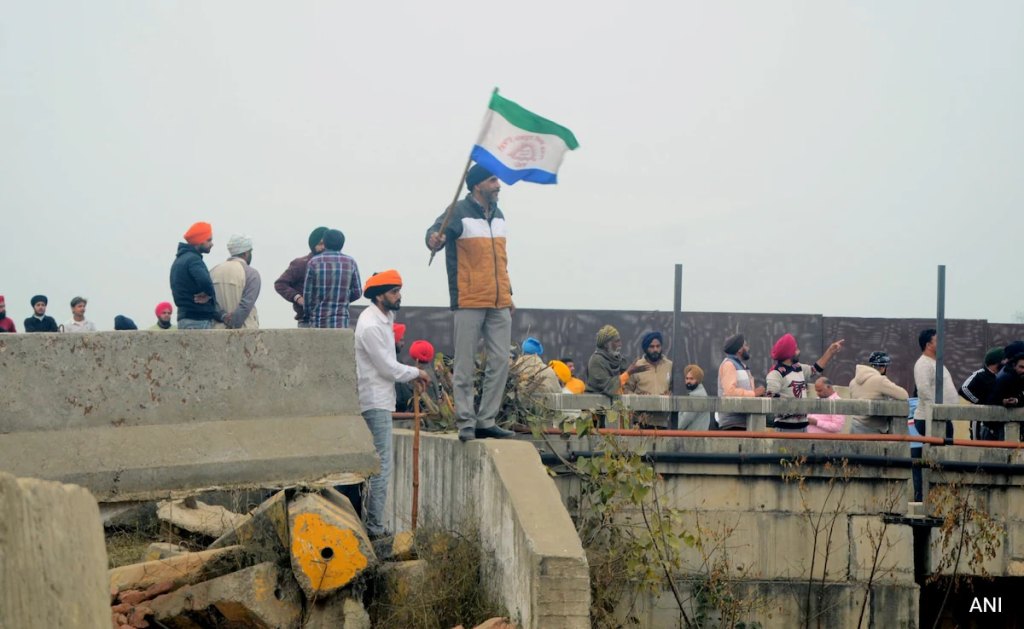
Thousands of farmers in India are marching towards the capital, New Delhi, to protest against unmet demands regarding prices, pensions, and farm laws. Tear gas was used and drones were deployed to disperse the crowds at the Shambhu border between Punjab and Haryana. The farmers have a 12-point agenda and are prepared to camp out for six months to have their demands met. The government has deployed heavy security measures and suspended internet services in some areas. The protest is significant as farmers form an influential voting block and the government will be cautious of its impact on the upcoming general election.
According to a statement issued by the central government, an agreement was reached on some issues after midnight, including the repeal of the Electricity Act 2020 and compensation for the farmers killed in Lakhimpur Kheri. However, the farmers remain firm in their resolve, stating that promises made by the government two years ago have not been fulfilled.
During the meeting, doubts were raised by farmer leaders about the government’s commitment to fulfill all demands. The farmers are insisting on legal guarantees for the Minimum Support Price (MSP) and have expressed concerns about the formation of a committee proposed by the government to discuss the implementation of the MSP, debt waiver, and recommendations of the Swaminathan Commission. The farmers argue that this process would be lengthy and have additional demands, such as the reinstatement of the Land Acquisition Act 2013, withdrawal from the World Trade Organization, and compensation for the families of farmers killed during the previous movement.
As the ‘Delhi Chalo’ march gains momentum, security measures have been intensified at the Singhu, Ghazipur, and Tikri borders. Delhi Police have taken strict steps to prevent the entry of protesters’ vehicles into the city, including the use of barricades, spikes, cranes, and earthmovers to block the roads. Traffic advisories have been issued to manage the traffic jam caused by the march, providing alternative routes to and from Delhi, Noida, and Ghaziabad.
The farmers’ protest is a significant event as it highlights the grievances of the farming community and their determination to have their demands met. With farmers forming an influential voting block, the government will be cautious of the impact this protest could have on the upcoming general election. The deployment of tear gas and drones at the Shambhu border reflects the tense atmosphere surrounding the protest. As the farmers continue their march towards Delhi, the government’s response and willingness to address their demands will be closely watched by the public and the international community.
 TheLittleTwentieth - Renowned Papers Edition, AI Infused