Local sources from United States: KABC-TV, BBC.com.
UK coverage: BBC.
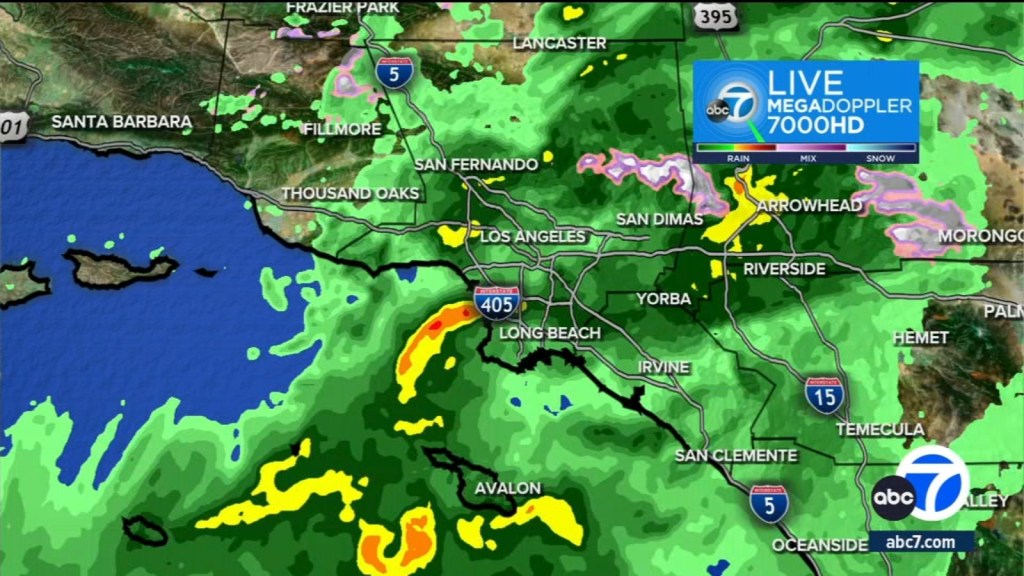
Southern California is facing a severe crisis as record-breaking rainfall and flooding wreak havoc across the region. The storm, caused by an ‘atmospheric river’ effect, has resulted in three deaths and widespread damage to infrastructure. According to the National Weather Service, some areas have seen nearly 11 inches of rain, setting new records for rainfall totals. Downtown Los Angeles experienced 4.10 inches of rain on Sunday, breaking a record set in 1927. Meanwhile, Topanga Canyon in Los Angeles County received a staggering 11.39 inches of rain, leading to a flash flood warning and evacuation orders for nearby areas.
The impact of the storm has been felt beyond Los Angeles County. Long Beach, Orange County, and parts of the Inland Empire have also seen significant rainfall. Long Beach, for instance, received 1.76 inches of rain on Sunday, surpassing a record set in 1958. Orange County experienced less rainfall than Los Angeles County, with areas like Laguna Beach and Anaheim receiving over 2 inches of rain. The Inland Empire has witnessed varying levels of rainfall, with San Bernardino County reporting up to 7.60 inches of rain.
The heavy rain and strong winds have caused power outages, road closures, and numerous rescues. Fire officials have responded to over 130 flooding incidents, and several people have been rescued from dangerous situations. Governor Gavin Newsom has declared a state of emergency in eight counties, acknowledging the severity of the situation.
Tragically, three individuals have lost their lives due to falling trees during the storm. The storm’s impact has also led to landslides, mudslides, and debris flows. Hollywood Hills residents were forced to evacuate their homes after mudslides caused significant damage. Witnesses have reported seeing refrigerators and pianos flowing through the streets of Los Angeles, highlighting the destructive force of the storm.
Schools in affected areas have been forced to close, and residents have been urged to stay off the roads unless absolutely necessary. The storm is expected to continue for several more days, posing an ongoing risk to residents and infrastructure. Strong winds of up to 70mph have caused power cuts and downed trees, although gusts are forecasted to decrease by Monday night.
As California grapples with this devastating weather event, it is a reminder of the increasing frequency and intensity of extreme weather events. The state’s vulnerability to such storms underscores the importance of preparedness and proactive measures in mitigating their impact. Our thoughts go out to all those affected by this natural disaster, and we will continue to monitor the situation closely.
 TheLittleTwentieth - Renowned Papers Edition, AI Infused