Local sources from Hungary: 444.hu, Telex.
UK coverage: DW (English).
In a significant development, the European Union has managed to overcome Hungarian Prime Minister Viktor Orban’s opposition and approve a €50 billion aid package for Ukraine. The funds, which consist of grants and loans, will provide crucial support to Ukraine’s economy until 2027. It is important to note that this aid package is separate from the military assistance that the EU and its member states are already providing to Ukraine.
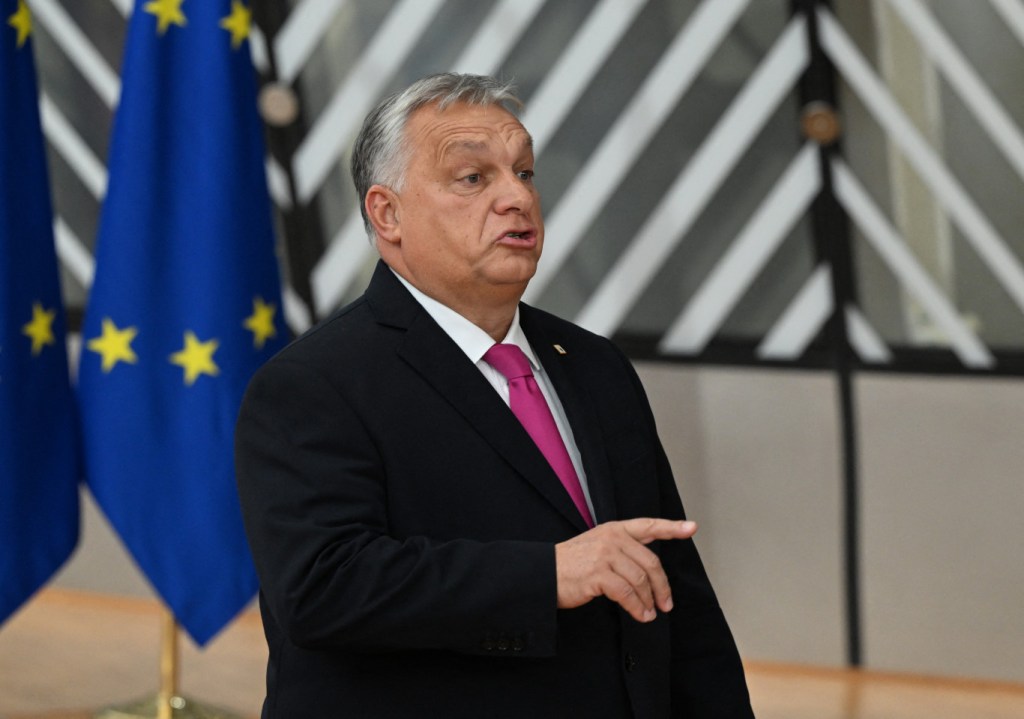
Orban’s frequent use of vetoes to delay EU decisions has been a source of frustration for fellow leaders. Furthermore, his close ties with Russia have raised concerns among EU officials. Despite claiming a political victory, Orban is now facing increasing pressure from the EU over the perceived backsliding of Hungarian democracy.
According to a report from 444.hu, the Hungarian government has indicated its readiness to compromise and enable the financing of the proposed EU aid package for Ukraine from the EU budget. This comes ahead of an extraordinary summit held on Thursday. Orban, who strongly opposes financial and military support from the EU to Kyiv, has maintained close ties with the Kremlin since the Russian invasion of neighboring Ukraine in February 2022.
Orban’s previous blockage of the revision of the EU budget, which included aid for Ukraine, led EU leaders to devise a Plan B and convene an extraordinary summit. In response, Hungary has sent a proposal to Brussels, demonstrating its willingness to use the EU budget for the €50 billion aid package and engage in joint EU debt assumption if certain exemptions are made.
However, tensions have risen between Hungary and the EU. The Financial Times quoted an EU draft document stating that the European Commission would withhold funds allocated to Hungary if Budapest blocks the aid at this week’s summit. While some, like Orbán Balázs and Bóka János, consider this to be blackmail, Varga Judit, another Hungarian official, has vowed that Hungary will not give in to such tactics.
Reuters, on the other hand, reports that a senior EU official denied that discussions among member states were about financial coercion to force Hungary to finance Ukraine. The official stated that the document quoted by the Financial Times was a background note that did not outline any specific plan.
In the event that Hungary does not agree to the original aid package, EU leaders have proposed an alternative solution. This would involve an agreement between 26 member states and Ukraine, while denying Budapest access to certain EU funds related to issues such as migration. Věra Jourová, Vice-President of the European Commission, expressed uncertainty about negotiating with Orbán, questioning whether the leaders have enough patience.
In an effort to find a resolution, Szijjártó Péter, the Hungarian Foreign Minister, met with Ukrainian Foreign Minister Dmitro Kuleba in Western Ukraine. They aim to address minority rights within ten days and potentially pave the way for a meeting between Orbán and Volodymyr Zelensky, the President of Ukraine.
According to an article from Telex, EU leaders meeting in Brussels on Thursday will propose a compromise to prevent Orbán from vetoing the Ukrainian aid package. The proposal suggests holding an annual debate on the implementation of the €50 billion aid package, without the possibility of an annual veto. This is seen as an attempt to overcome Hungary’s resistance. While this solution would still allow Hungary to express concerns, it would eliminate the problem of veto power.
EU diplomats believe that this compromise is the maximum concession they are willing to make in order to reach an agreement. However, if Orbán remains unwilling to withdraw his veto, some diplomats have indicated a willingness to explore alternative solutions outside the EU budget to secure funding for Ukraine.
The outcome of the Brussels summit on Thursday could be crucial for EU leaders, as they seek to persuade Orbán to drop his veto on the proposed support for Ukraine. The European Union’s provision of €50 billion in support to Ukraine through joint borrowing is part of a broader review of the bloc’s budget.
As the situation unfolds, it remains to be seen whether Orbán will agree to the proposed compromise. The ongoing tensions between Hungary and the EU highlight the challenges faced by the bloc in maintaining unity and addressing the needs of its member states. The approval of this aid package for Ukraine marks a significant step forward in supporting the country’s economy, but the political dynamics within the EU continue to shape the path ahead.
 TheLittleTwentieth - Renowned Papers Edition, AI Infused