Local sources from South Africa: The Guardian, The Associated Press.
UK coverage: BBC.
India achieved a remarkable triumph over South Africa in the second Test at Newlands, Cape Town, winning by seven wickets in just a day and a half. The match witnessed a batting collapse by South Africa on the first day, as they were bowled out for a mere 55 runs. This set the stage for India’s dominant performance. Despite Aiden Markram’s century, South Africa could only manage a total of 176 in their second innings. India effortlessly chased down the target of 79 runs, sealing a memorable win and drawing the series 1-1.
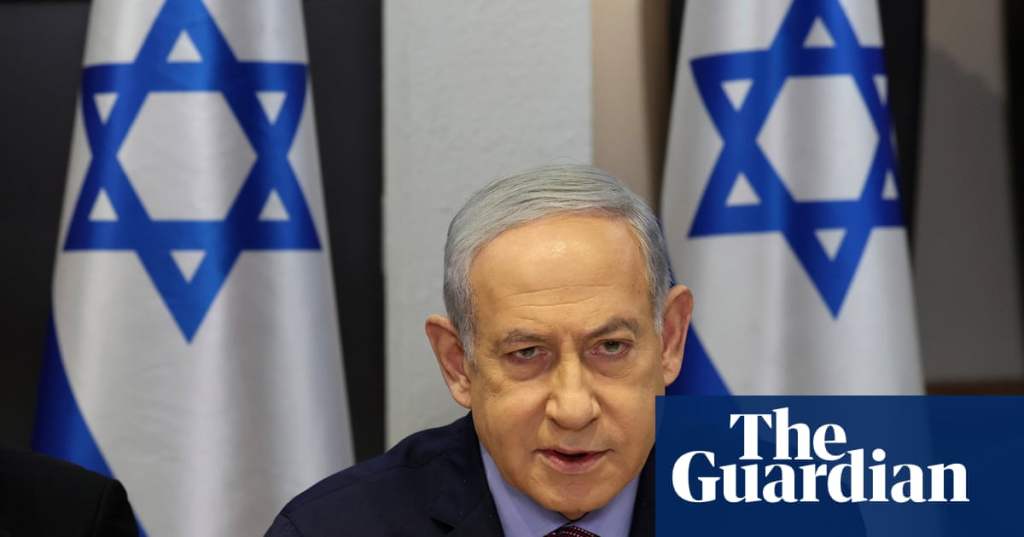
In other news, South Africa has brought a claim of genocidal intent against Israel, seeking an interim measure from the International Court of Justice (ICJ) to prevent potential acts of genocide. The case is set to be heard on January 11 and 12, and if precedent is any guide, the ICJ may issue a provisional ruling within weeks. The request for provisional relief is in line with a growing trend at the ICJ, where parties have been seeking and obtaining such measures more frequently in recent years. South Africa’s claim is substantiated by an 80-page document that argues Israel’s actions are genocidal in character, with the intent to destroy Palestinians in Gaza as part of the broader Palestinian group. Israel, in a surprising move, has chosen to defend itself in court, reversing its long-standing policy of boycotting the ICJ. The reputational damage to Israel, should an adverse ruling be made, would be substantial, potentially leading to a modification of its military campaign.
The case filed by South Africa at the ICJ alleging Israel’s military campaign in Gaza amounts to genocide has set up a high-stakes legal battle. South Africa’s argument is based on the 1948 Convention on the Prevention and Punishment of the Crime of Genocide, which defines genocide as acts committed with the intent to destroy a national, ethnic, racial, or religious group. South Africa seeks legally binding rulings from the ICJ, including a declaration that Israel has breached its obligations under the Genocide Convention and an order for Israel to cease hostilities in Gaza that could amount to breaches of the convention. Israel has swiftly rejected the genocide claim, calling it baseless and a contemptuous exploitation of the court. However, Israel has decided to send a legal team to the Hague to defend itself, citing its role in promoting the original genocide convention and its belief in having a strong case.
The case at the ICJ is expected to be a lengthy process, with public hearings to be scheduled soon. South Africa has requested urgent interim orders for Israel to suspend its military operations in and against Gaza, which would remain in effect while the case progresses. The court will then consider the full case, and Israel could challenge the jurisdiction and seek to have the case thrown out. The ICJ is already hearing two other genocide cases, one involving Ukraine accusing Russia of genocide and another involving Gambia accusing Myanmar of genocide against the Rohingya Muslim minority. It is important to note that the ICJ and the International Criminal Court (ICC) have different mandates, with the ICC seeking to hold individuals criminally responsible for genocide, war crimes, and crimes against humanity. The ICC has an ongoing investigation into the Israel-Palestinian conflict, while the ICJ adjudicates cases between nations and disputes over international treaties.
In conclusion, India’s historic victory over South Africa in the second Test has drawn attention to the thrilling cricket series, while South Africa’s claim of genocidal intent against Israel has set the stage for a high-stakes legal battle at the ICJ. The outcome of both events will have significant implications for the respective parties involved and the broader international community.
 TheLittleTwentieth - Renowned Papers Edition, AI Infused