Local sources from Senegal: Al Jazeera English, Bloomberg.
UK coverage: Al Jazeera English.
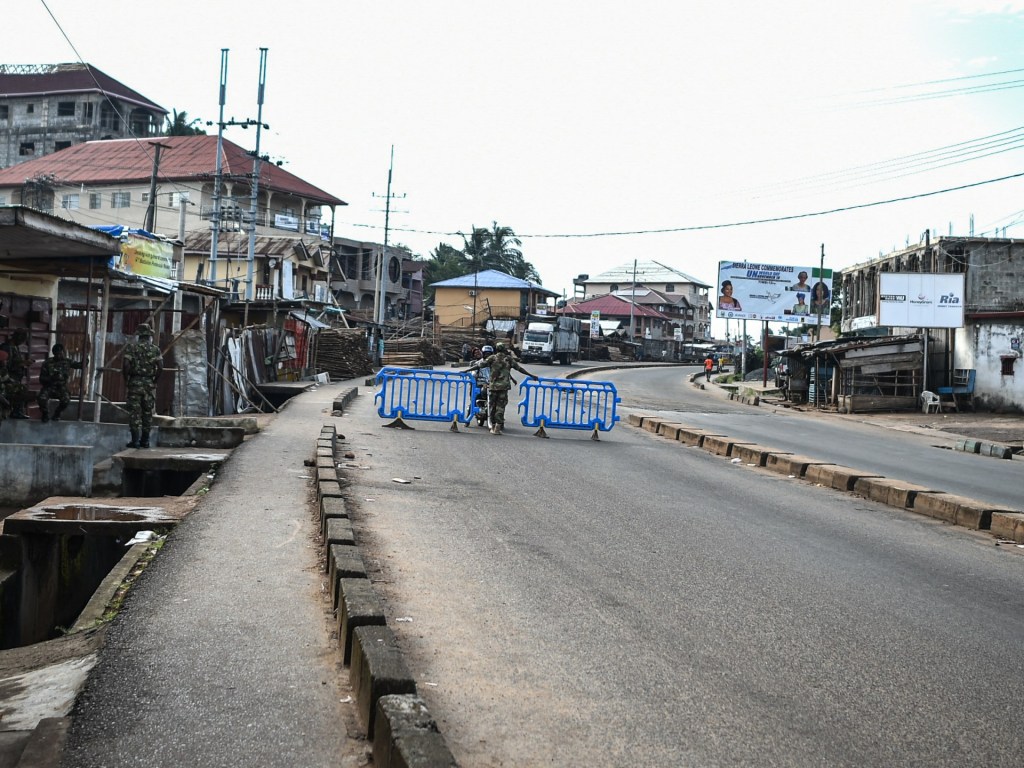
Sierra Leone’s President Julius Maada Bio has announced that most of the leaders behind the recent armed attack in the capital, Freetown, have been arrested. The government has declared a nationwide curfew and claims to be in full control of the situation. The attack comes amid months of post-election unrest in the country, following President Bio’s re-election in June.
According to Al Jazeera English, Bio said on national television that “most of the leaders have been arrested. Security operations and investigations are ongoing.” The government reported that it repelled the attack and was in control of the situation. Videos posted on social media appeared to show men in uniform under arrest in the back or beside a military pick-up truck.
The Economic Community of West African States (ECOWAS) condemned the attempt to “disturb constitutional order” in Sierra Leone. Sierra Leone has seen political violence and unrest since the re-election of President Bio in June. International observers condemned the “lack of transparency” in the ballot count and Sierra Leone’s opposition party initially disputed the results and boycotted the government.
Sierra Leone has faced political violence and economic challenges, with high levels of poverty and youth unemployment. According to Bloomberg, the unrest in Sierra Leone comes after a series of military coups that have dealt blows to democracy in the region. There have been eight military coups in West and Central Africa since 2020, including in Mali, Burkina Faso, Niger, and Guinea.
The government of Sierra Leone is now in firm control of the security situation in Freetown and the attackers are retreating. The government is currently trying to collate the number of arrests and casualties, and those responsible for the attack will be hunted down to face the full force of the law. Airlines have been urged to reschedule flights, and calm is slowly returning to the capital.
This attack is a reminder of the political and economic challenges facing Sierra Leone, and the need for a peaceful and democratic transition of power. It is also a reminder of the fragility of democracy in West and Central Africa, and the importance of upholding constitutional order in the region.
 TheLittleTwentieth - Renowned Papers Edition, AI Infused