Local sources from South Korea: 연합뉴스, TBS뉴스.
UK coverage: The Independent.
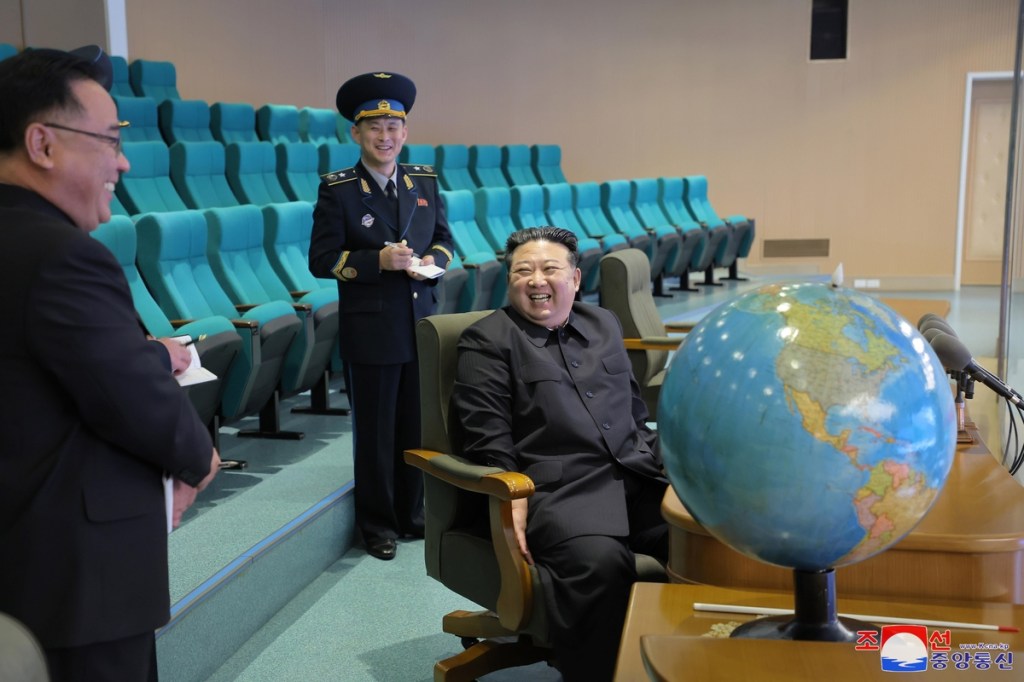
North Korea has announced that it has successfully captured images of important targets in Seoul and Pyeongtaek using its military reconnaissance satellite. According to the Korean Central News Agency, Chairman Kim Jong-un visited the National Aerospace Development Administration’s Pyongyang Comprehensive Control Center on the 24th to inspect the operational readiness of the satellite and view the aerial and space photographs taken on the same day. The report added that Chairman Kim “specifically examined the photographic data taken by the reconnaissance satellite between 10:15 a.m. and 10:27 a.m. on the 24th, as it passed through the Korean Peninsula, capturing images of important target areas such as Mokpo, Gunsan, Pyeongtaek, Osan, Seoul, and various regions of our country.”
Mokpo is home to the South Sea Fleet defending the southern waters, Gunsan houses the South Korean Air Force and US Air Force bases, Pyeongtaek is the location of Camp Humphreys, the largest US Army base in the world, and Osan is home to the Air Force Operations Command and US military bases.
The launch of the reconnaissance satellite ‘Manlyeong-1’ from the West Sea Satellite Launch Site in Cholsan County, North Pyongan Province on the night of the 21st was also reported by Chosun Central TV.
This development raises concerns about North Korea’s intentions and the potential threat it poses to the security of US military installations in the region. The US and South Korean authorities are closely monitoring the situation and evaluating the implications of these satellite images. The US and its allies are expected to respond to this provocation with increased vigilance and readiness.
The international community is urged to closely follow the developments and support diplomatic efforts to address the North Korean nuclear and missile programs.
 TheLittleTwentieth - Renowned Papers Edition, AI Infused