Local sources from India: The Diplomat, BreakingNews.ie.
UK coverage: The Telegraph.
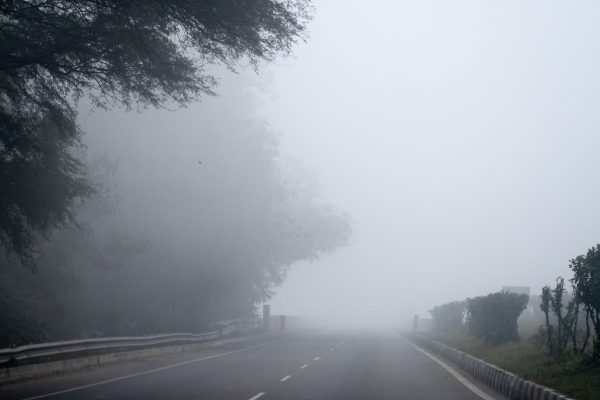
A toxic blanket of grey smog has engulfed New Delhi’s monuments and high-rises, prompting authorities to take drastic measures in an attempt to control the hazardous air quality. Schools have been ordered shut, construction has been banned, and people have been urged to wear masks. According to SAFAR, India’s main environmental monitoring agency, the air quality index veered close to the 400 mark for tiny particulate matter – a level considered hazardous and more than 10 times the global safety threshold.
Authorities have deployed water sprinklers and anti-smog guns to control the haze, and have announced a fine of 20,000 rupees ($240) for drivers found using gasoline and diesel cars, buses and trucks that create smog. Doctors have advised residents to wear masks and avoid the outdoors as much as possible, as the smog could trigger respiratory infections, flu and asthma attacks.
The pollution has also threatened to disrupt the ongoing Cricket World Cup, hosted by India, after the Sri Lankan team had to cancel their training session in New Delhi over the weekend. Demand for air purifiers has risen in the past week, local media reported.
Residents are worried the smog will worsen as Diwali, the Hindu festival of light that features the lighting of firecrackers, approaches this weekend.
New Delhi tops the list almost every year of many Indian cities with poor air quality, particularly in the winter, when the burning of crop residues in neighboring states coincides with cooler temperatures that trap hazardous smoke. The burning of crop remnants at the start of the winter wheat-sowing season is a key contributor to the pollution in north India.
Gulshan Kumar, who drives an auto rickshaw, said his nose, throat and eyes regularly fill up with dirt in the air. His children plead with him to return to his hometown in Bihar state.
We use cookies and data to deliver and maintain Google services, track outages and protect against spam, fraud, and abuse, and measure audience engagement and site statistics to understand how our services are used and enhance the quality of those services. If you choose to ‘Accept all’, we will also use cookies and data to develop and improve new services, deliver and measure the effectiveness of ads, show personalized content, and show personalized ads, depending on your settings. Non-personalized content is influenced by things like the content that you’re currently viewing, activity in your active Search session, and your location. Non-personalized ads are influenced by the content that you’re currently viewing and your general location. Personalized content and ads can also include more relevant results, recommendations, and tailored ads based on past activity from this browser, like previous Google searches. We also use cookies and data to tailor the experience to be age-appropriate, if relevant.
The severe air pollution crisis affects every resident in the city, but the millions who work outdoors are even more vulnerable. Residents are advised to visit g.co/privacytools at any time to manage their privacy settings.
In an effort to combat the air pollution crisis, authorities are trying to discourage farmers from burning crop residues by offering cash incentives to buy machines to do the job. However, smoke from crop burning still accounts for 25 percent of the pollution in New Delhi, according to the Indian Institute of Tropical Meteorology in Pune.
It is clear that the air pollution crisis in New Delhi is a serious and ongoing issue. With the Diwali festival approaching, authorities must take further measures to ensure the safety of the city’s residents and visitors.
 TheLittleTwentieth - Renowned Papers Edition, AI Infused