Local sources from India: The Guardian, Hindustan Times.
UK coverage: The Guardian.
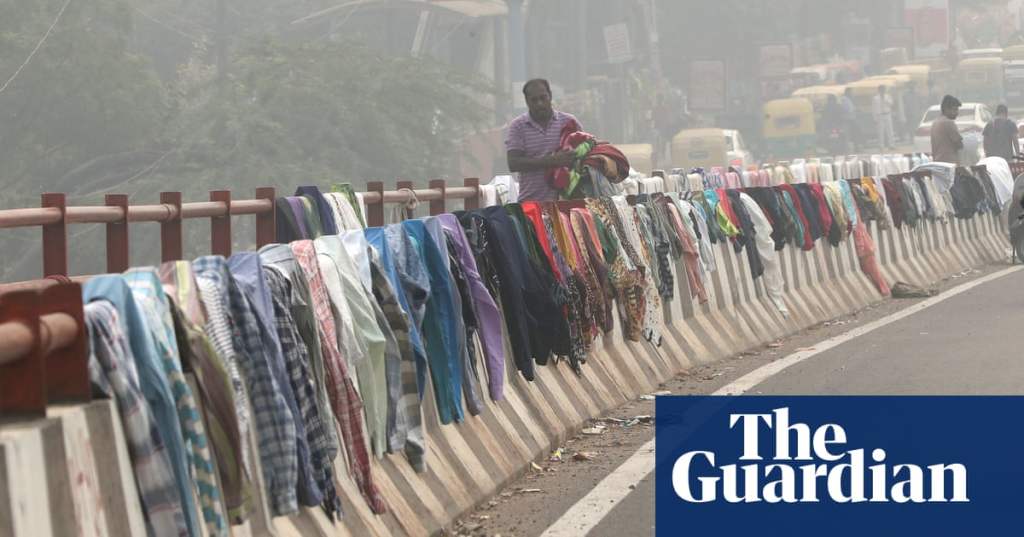
Delhi’s air pollution has reached unprecedented levels, with the air quality index hitting 500, which is 100 times the limit deemed healthy by the World Health Organisation. This alarming development has led to the closure of schools and a ban on non-essential construction. Despite efforts by the Delhi government, including the installation of smog towers, the air quality continues to deteriorate. Doctors have reported an increase in respiratory problems among residents.
The Guardian reported that the pollution is attributed to various factors, including farmers burning their fields, car emissions, construction, and burning of rubbish at waste plants. In recent days, the state of Punjab saw a 740% increase in farm fires, with more than a thousand recorded in a single day. According to the University of Chicago’s energy policy institute, the people of Delhi could have their lives shortened by 11.9 years due to the poor air they breathe.
Hindustan Times reported that while pollution reaching very high levels around this time of year is not surprising, one aspect that is slightly counter-intuitive this year is the fact that satellite data seems to show fewer farm fires. What exactly has led to the spike in Delhi’s pollution levels? Four charts attempt to answer this question.
The current crisis in Delhi is a stark reminder of the need for immediate action to address air pollution. The government must take decisive steps to reduce the sources of pollution and ensure the safety of its citizens. The people of Delhi deserve to breathe clean air and live in a safe and healthy environment.
 TheLittleTwentieth - Renowned Papers Edition, AI Infused