Local sources from United Kingdom: BBC, The Telegraph.
UK coverage: The Telegraph.
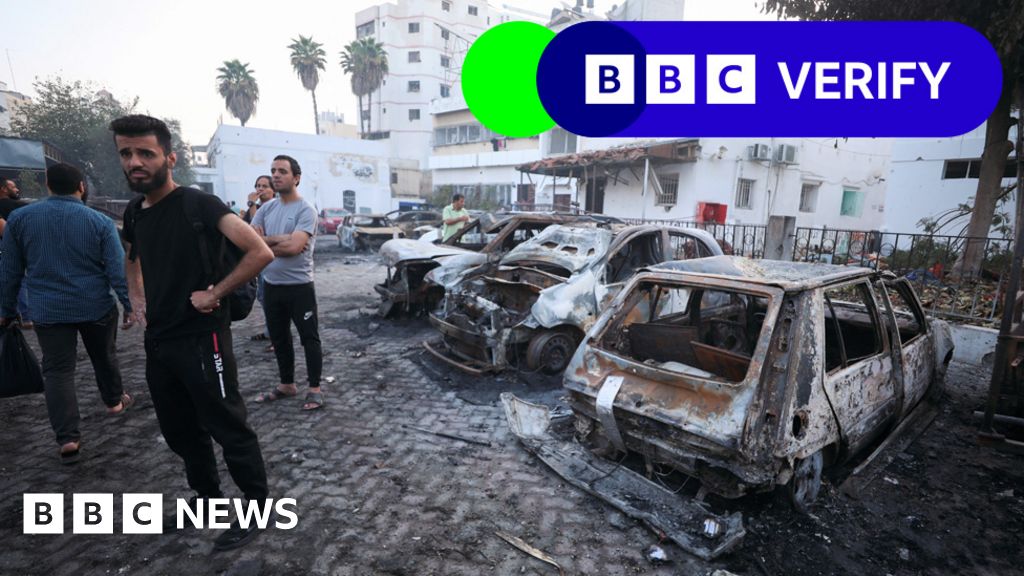
The BBC has admitted to making a “mistake” in its reporting of a strike on a Gaza hospital during the conflict in the Middle East. Israeli President Isaac Herzog had called for a “correction” to be issued regarding the BBC’s coverage, stating that their characterization of Hamas was a distortion of the facts. The Foreign Secretary, James Cleverly, has urged broadcasters to prioritize accuracy over speed in their reporting, emphasizing the impact of their words both in the UK and globally. The BBC has faced criticism for its editorial guidelines, particularly regarding the use of the word “terrorist” in relation to Hamas. The broadcaster has clarified that Hamas is recognized as a proscribed terrorist organization by the UK government.
Following a conversation between Israeli President Isaac Herzog and Rishi Sunak on Thursday, it has been suggested that a “correction” should be issued regarding the BBC’s coverage of the conflict in the Middle East. Herzog expressed to the British Prime Minister, “We feel that the way the BBC characterizes Hamas is a distortion of the facts.” Foreign Secretary James Cleverly has called on broadcasters to prioritize “accuracy rather than pace because their words have impact here in the UK and around the world.”
BBC executive Mr. Munro acknowledged that the broadcaster’s use of language has become the primary focus of media reports, particularly regarding the BBC’s policy of not using the word “terrorist” in reference to Hamas. The BBC has clarified that the government has designated Hamas as a proscribed terrorist organization. However, several cabinet ministers, including Defense Secretary Grant Shapps, have criticized the editorial guidelines.
Munro emphasized, “There’s absolutely no way that we are trying to equalize what’s going on between Hamas and Israel in any way, shape, or form. We’ve used very strong language; atrocity, mass murder, abduction, and kidnapping.” He also addressed the recent incidents involving protests by a pro-Palestinian group vandalizing the BBC’s Broadcasting House headquarters with red paint, as well as peaceful protests by Jewish groups.
The BBC responded, stating that the correspondent was providing instant analysis on the ground from Jerusalem in a confusing and difficult story. The statement further clarified, “We accept that even in this fast-moving situation it was wrong to speculate in this way, although he did not at any point report that it was an Israeli strike. This doesn’t represent the entirety of the BBC’s output and anyone watching, listening to, or reading our coverage can see we have set out both sides’ competing claims about the explosion, clearly showing who is saying them, and what we do or don’t know.”
The BBC’s admission of a “mistake” in its reporting of a strike on a Gaza hospital has sparked a debate about the importance of accuracy in news reporting. Foreign Secretary James Cleverly has urged broadcasters to prioritize accuracy over speed in their reporting, emphasizing the impact of their words both in the UK and globally. The BBC has faced criticism for its editorial guidelines, particularly regarding the use of the word “terrorist” in relation to Hamas. The broadcaster has clarified that Hamas is recognized as a proscribed terrorist organization by the UK government. BBC executive Mr. Munro has acknowledged the challenge of maintaining impartiality, stating, “This is a very, very difficult story, to tread a line without one community or other feeling that we are less sympathetic to them than we are to the opposite perspective.”
 TheLittleTwentieth - Renowned Papers Edition, AI Infused