Local sources from Hungary: Civilek Infó, Mandiner.
UK coverage: Al Jazeera English.
European leaders gathered in Granada, Spain for an informal summit on Friday, but the meeting quickly descended into a clash over migration reform. The far-right leaders of Poland and Hungary rejected a proposed statement on irregular migration, forcing European Council President Charles Michel to issue a separate statement. The leaders of France and Germany said the legislative process on the issue would continue as planned, but the bloc of European nations remains divided over how to address irregular migration, which has become a central focus for far-right parties.
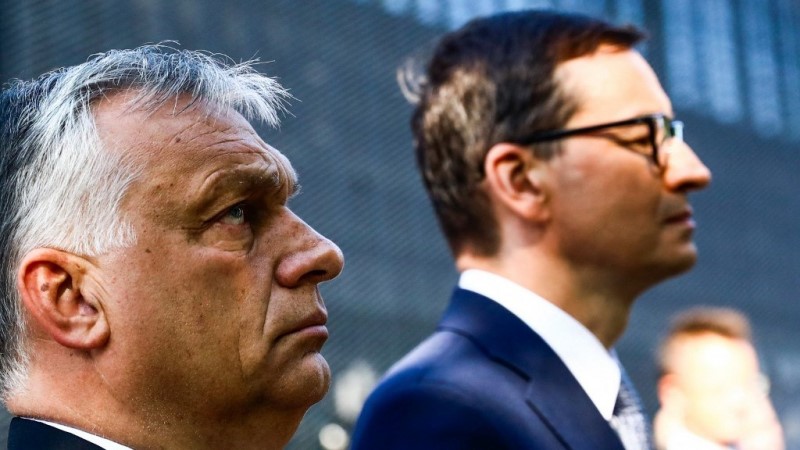
Before the summit, Hungarian Prime Minister Viktor Orbán and Polish Prime Minister Mateusz Morawiecki both stated that they do not support the Brussels migration pact. As a result, the topic of migration was completely omitted from the closing statement, which surprised many.
The leaders of the member states also highlighted their commitment to increasing the competitiveness of the EU and strengthening its position in the world, while reducing external dependencies and strengthening the internal market. They also reaffirmed their determination to increase their defense readiness, the mobility of their military forces, and to counter non-military threats such as cyber and hybrid warfare, as well as information manipulation from abroad.
Regarding the debate on European enlargement, the leaders agreed that the European Union should be expanded, but positions on this topic are changing day by day. Dutch Prime Minister Mark Rutte and the Western European heads of state and government had previously advocated for the confirmation of Ukraine’s candidate status for EU membership and its subsequent accession, but Rutte now stated that he does not support advancing Ukraine ahead of other candidate countries.
The Hungarian Minister of Agriculture, István Nagy, accused the European Commission of showing “part-time solidarity” with Ukraine and of only consulting with Ukrainian President Zelensky instead of the leaders of EU member states. He also warned that if Ukraine’s grain imports are not better managed, it could be replaced by Russian grain, flooding the EU markets before the harvest and causing storage and market issues.
Overall, the summit provided a platform for the Polish and Hungarian prime ministers to appeal to their domestic audiences ahead of upcoming elections, and the clash over migration reform highlights the deep divisions within the bloc of European nations.
 TheLittleTwentieth - Renowned Papers Edition, AI Infused