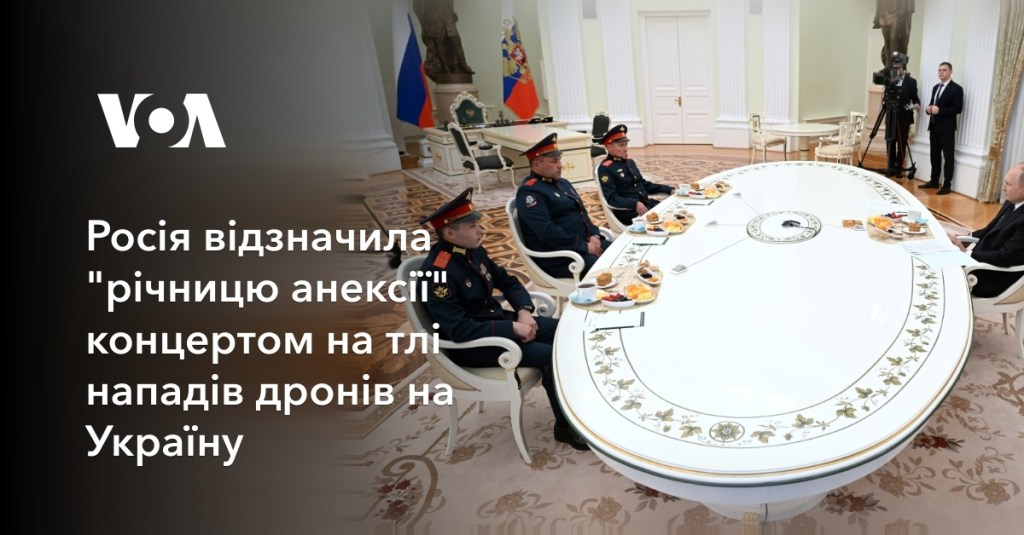
Sources: Голос Америки – Українською, DW (Українська). On September 30, 2020, Russia marked the one-year anniversary of the illegal annexation of four Ukrainian regions with a concert and other festivities. However, the anniversary is a reminder of the hardship and suffering endured by the residents of these regions over the past year. DW spoke with residents of the occupied territories about how their lives have changed in the past year.
The residents of the so-called ‘people’s republics’ of Donbas and the territories occupied after the full-scale invasion have different views on the official ‘joining’ of Russia. Many residents of the ‘DNR’ and ‘LNR’, especially those whose cities were spared active fighting, see the annexation as the end of economic isolation and an extremely uncertain legal regime that lasted for eight years.
The most noticeable increase in prices in Luhansk has been for housing, according to realtor Anna S. With the introduction of Russian civil law, notaries, and real estate registries, the housing market has started to function again. Developers prefer to sell housing in new buildings, and the largest influx of newcomers is from Russia.
The situation with educators is somewhat different – there is still information about persecution in Ukraine for collaboration only against appointed heads of hospitals by the occupiers. Teachers also talk about the implementation of Russian standards in the occupied territories.
Living in the four annexed regions without Russian documents has become extremely difficult after a year of Russian annexation. With a Ukrainian passport, they are not hired, pensions are not transferred, property rights for cars or real estate are not transferred, SIM cards are not sold, and they are not serviced by banks. With a Russian passport, it is still possible, but even with it, it is extremely difficult to leave the occupied territories – strict attention from law enforcement and additional interrogations are guaranteed.
The anniversary of the illegal annexation of Ukrainian regions by Russia is a reminder of the hardship and suffering endured by the residents of these regions over the past year. Residents of the occupied territories tell a story of economic isolation, rising prices, and difficulty in obtaining new housing and Russian passports. It is clear that the consequences of this illegal annexation are far-reaching and will continue to affect the lives of the people of these regions for years to come.
 TheLittleTwentieth - Renowned Papers Edition, AI Infused