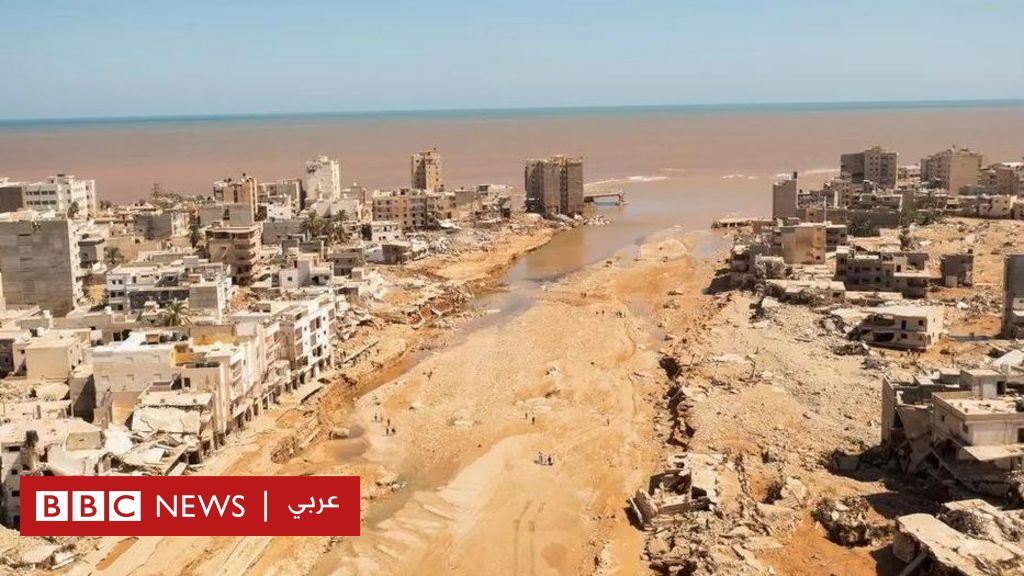
The floods in eastern Libya have caused devastating destruction, particularly in Derna, where two dams collapsed after heavy rains reached hurricane levels. Hurricane Daniel caused the flooding of residential areas, and the sea swallowed neighborhoods, with reports of bodies washing up along the shore. Estimates of the number of victims vary greatly, with the Libyan ambassador to the United Nations believing that the death toll has reached 6,000, while the Libyan Red Crescent estimates it to be 10,000. The city’s mayor believes that the number of people who have lost their lives could reach 20,000.
The disaster in Libya exposes the failure of governments to protect their citizens and exposes them to even greater danger. Reports indicate that one of Derna’s dams had not been maintained since 2002. The internationally recognized government in Tripoli and the competing Haftar government have not prioritized the human suffering.
Survivors are still searching for their missing relatives, while others mourn in the surrounding areas of the city. The Libyan Red Crescent has raised its estimate of the number of dead and missing, prompting the UN to launch an appeal for $71 million in aid. The World Health Organization and the International Committee of the Red Cross have urged Libyans to stop burying the dead in mass graves, highlighting the potential long-lasting mental distress and health risks associated with mismanagement of the deceased.
The disaster exposes the failure of governments to protect their citizens and exposes them to even greater danger. The “corrupt Gaddafi regime” was followed by over a decade of revolution, civil war, and political stagnation, during which not only was the basic infrastructure neglected but also looted. The authorities in eastern Libya, controlled by military commander Khalifa Haftar, failed to fulfill their basic duties. Rescue and relief efforts continue to be hindered by politics, as well as the destruction of basic infrastructure.
The International Meteorological Organization has pointed out that the catastrophe could have been avoided if Libya had a functioning water management institution. Petri Talash, the organization’s president, said, “The institution could have issued a warning, and officials could have evacuated and relocated residents. We could have all avoided the disaster and the loss of human lives.”
The tragedy of the floods in Libya is a stark reminder of the need for governments to prioritize the safety and wellbeing of their citizens. It is also a reminder of the importance of functioning water management institutions that can issue warnings and help avert disasters. The Libyan people are in desperate need of aid, and the international community must come together to help them in this time of crisis.
 TheLittleTwentieth - Renowned Papers Edition, AI Infused